
Turnkey Industrial Construction: Stages, Timelines and Budget
Turnkey industrial construction is when one company is responsible for the entire facility: from design and permits to commissioning. The client signs a single contract, deals with one accountable engineer and receives a finished building on a fixed schedule and at a fixed price. Below we break down the stages of building an industrial facility, how long it takes, what drives the budget and how to choose the right contractor in Kyiv and the Kyiv region.
What turnkey construction means
"Turnkey" means the general contractor runs a full-cycle project and delivers all the work with its own crews and trusted subcontractors. The client doesn't have to separately source designers, steel suppliers, installation crews and utility companies — one team coordinates all of it.
This format is chosen when you need a result, not a process: production workshops, Class A and A+ warehouses, logistics terminals, build-to-suit commercial buildings. For a business the main advantage is predictability: a clear schedule, a fixed price and a single point of responsibility for the whole facility.
Stages of building an industrial facility
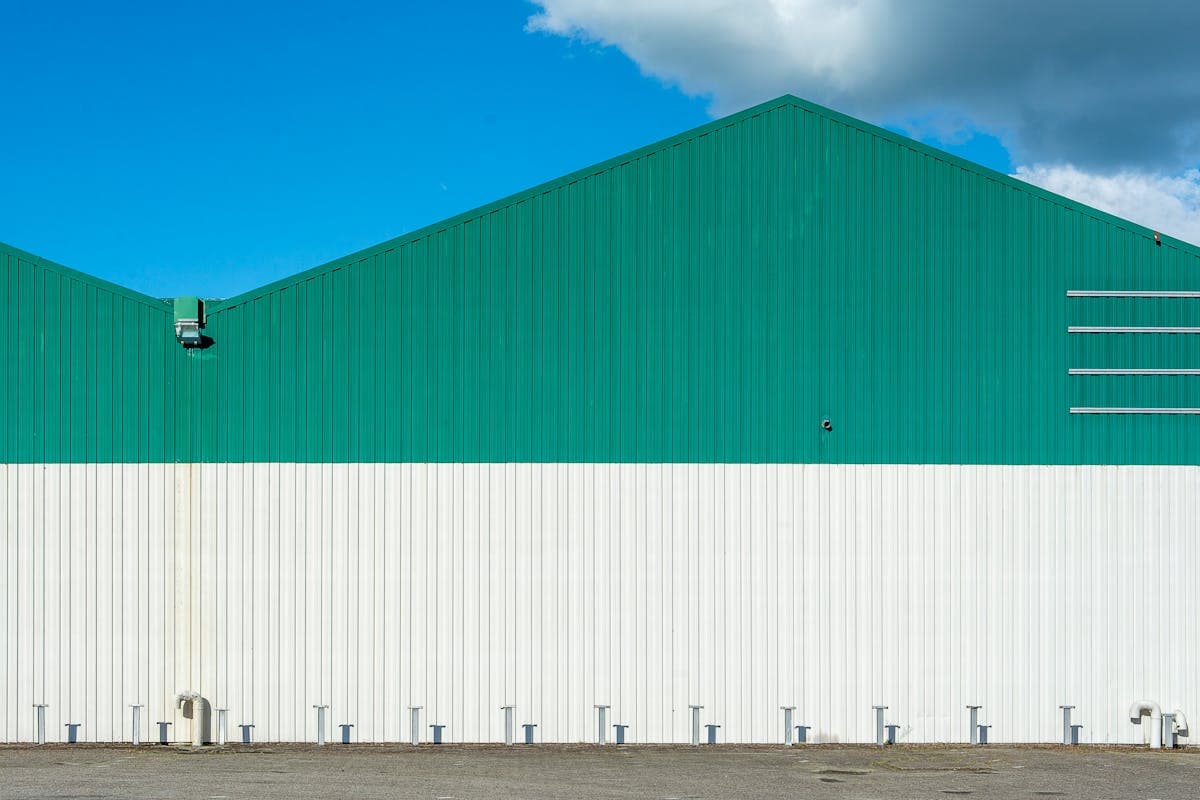
Every industrial facility goes through six key stages. Understanding this sequence helps the client stay in control and spot any deviation from the schedule in time.
1. Request and consultation
The first stage defines the task: the building's purpose, approximate area, desired timeline and the site. The engineer clarifies the inputs and prepares a preliminary vision. At TEHMAS we respond to enquiries within 24 hours.
2. Design and approvals
The design documentation is developed: architectural and structural solutions, engineering systems, the estimate. In parallel, permit documents are prepared and approved. A good design at this stage saves the most money — rework on site costs many times more.
3. Groundwork and foundations
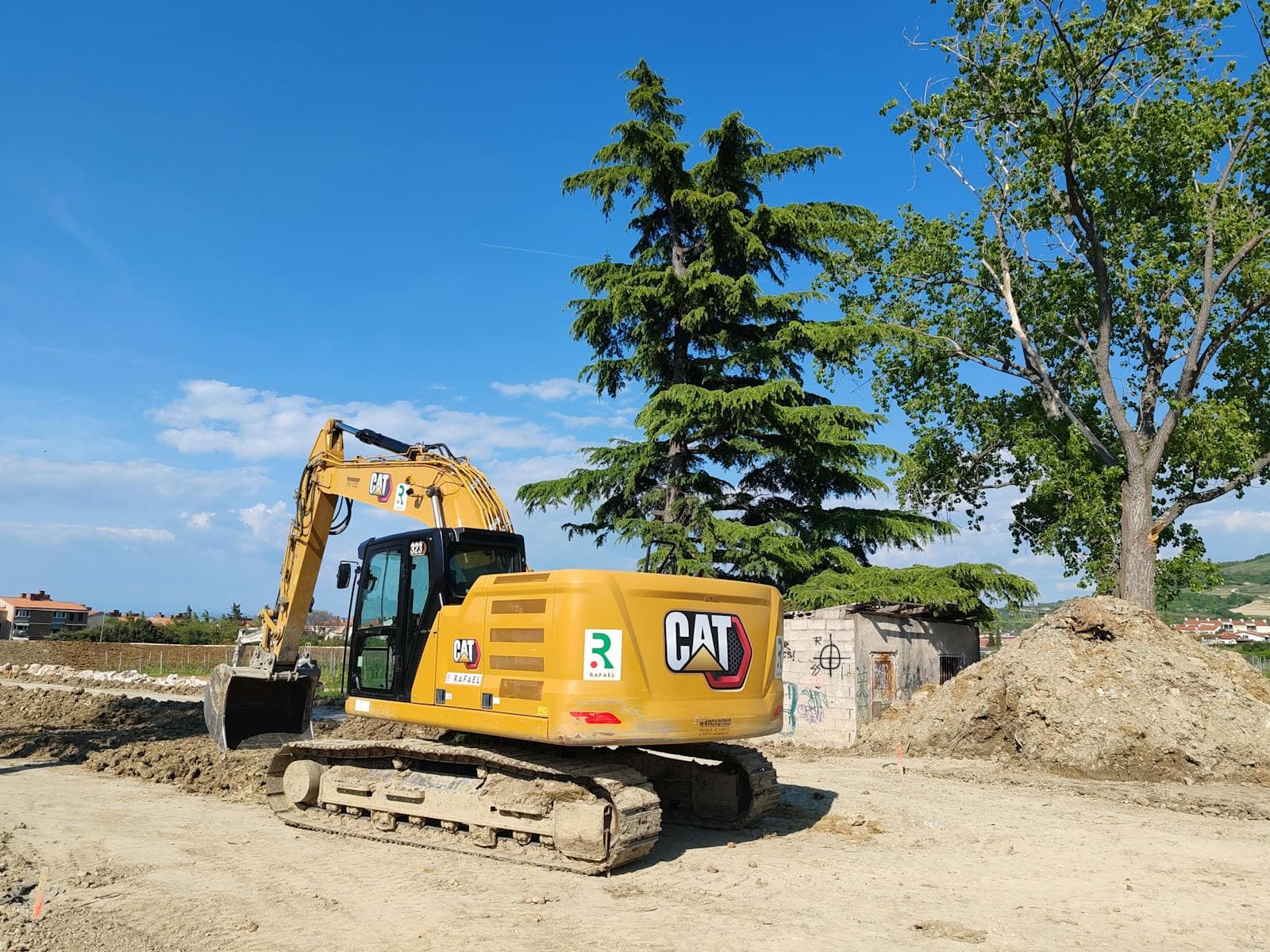
Site preparation, earthworks, foundations and piling. For industrial buildings with heavy equipment it is the foundation that determines the reliability of the whole structure, so weak soils require dedicated engineering solutions.
4. Steel frame assembly
Erecting the load-bearing frame is the stage that feels fastest — the building "grows" right in front of you. Here it's critical to have your own lifting equipment so that assembly doesn't depend on someone else's rental schedule.
5. Envelope and engineering systems
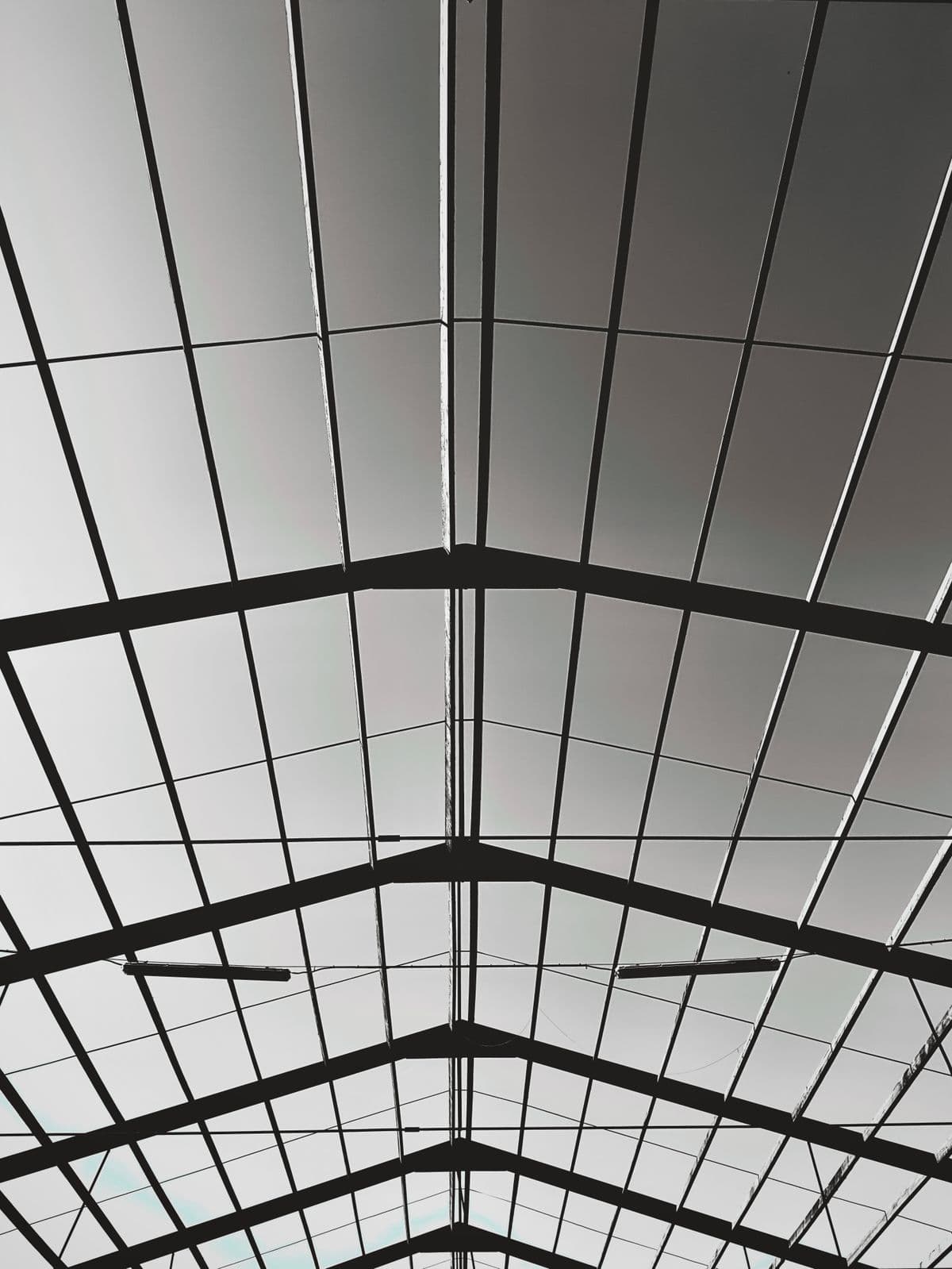
Roofing, facades and glazing, followed by engineering networks: power, water supply, heating and ventilation. The stages run in parallel to shorten the overall timeline.
6. Commissioning
Industrial flooring, site landscaping, commissioning and signing of acceptance acts. The client receives a finished facility with warranty obligations under the contract.
How long construction takes
Timelines depend on the area, facility type and work sequence, but the rough benchmarks are:
- A mid-sized warehouse — from a few months
- A production workshop with process areas — longer because of the engineering
- A large logistics complex — the longest cycle
The exact schedule is fixed in the contract after design. A fast-track approach — starting the groundwork in parallel with designing the next stages — saves time when it's safe for the facility.
What drives the budget
Naming a price "off the top of your head" is impossible — and any contractor who does so before inspecting the site risks either inflating the estimate or demanding extra payments later. The real cost of industrial construction comes from several factors:
- The area and number of storeys
- The type and complexity of structures: span, crane loads
- The condition of the soil and the foundation type
- The set of engineering systems
- The finishing class and flooring requirements
- Logistics and how remote the site is
That's why we don't publish "average prices per square metre": after a brief and a site visit we prepare a ballpark estimate within one business day and fix the final cost in the contract. You can get a benchmark for your facility on the general contracting services page.
General contracting vs several contractors
The temptation to hire separate crews "more cheaply" usually turns out more expensive. With several contractors the areas of responsibility blur: when deadlines slip, everyone blames the other, and the client turns into a construction project manager. General contracting removes this problem — one contract, one schedule, one warranty for the whole facility. On top of that, an in-house equipment fleet removes any dependence on someone else's rental.
How to choose an industrial construction contractor
Before signing a contract it's worth checking a few things:
- Real completed facilities, not just renders — ask to see finished projects
- Their own equipment and a permanent team
- Willingness to fix the price and deadlines in the contract
- Transparent reporting during construction: photo reports, acts
- The location of their base — proximity cuts logistics and timelines
Why TEHMAS
TEHMAS has been building industrial and commercial facilities in Brovary and across the Kyiv region since 2009. In that time — over 30 completed facilities, an in-house fleet of 20+ machines and a permanent team of 40 specialists. A base 30 minutes from Kyiv lets us deploy equipment to the site quickly, while our own equipment for rent lets us run the works without depending on anyone else's schedule.
We take full responsibility for the facility from the foundation to commissioning and fix the price and deadlines in the contract. To discuss your project, leave a request — an engineer will respond within 24 hours.
FAQ
How much does a turnkey warehouse cost?
The exact cost depends on the area, warehouse class and engineering systems. After a brief and a site visit we provide a ballpark estimate within one business day and fix the final price in the contract.
Is design included in general contracting?
Yes. Design and permit-documentation approval are part of the full cycle. We can handle the project ourselves or work with yours.
How long does it take to build an industrial facility?
A mid-sized warehouse takes a few months; production and logistics complexes take longer because of the engineering. The exact schedule is fixed in the contract after design.
Can construction start without a full design?
Yes, on a fast-track basis: we begin the groundwork in parallel with designing the next stages, when it's justified and safe for the facility.
Where does TEHMAS operate?
Our base is in Brovary; we work across Kyiv and the Kyiv region. The proximity of the base cuts logistics and the time to deliver equipment to the site.